Boss Fights Shouldn't Cost You Your Weekend: How RPG Designers Are Finally Getting It
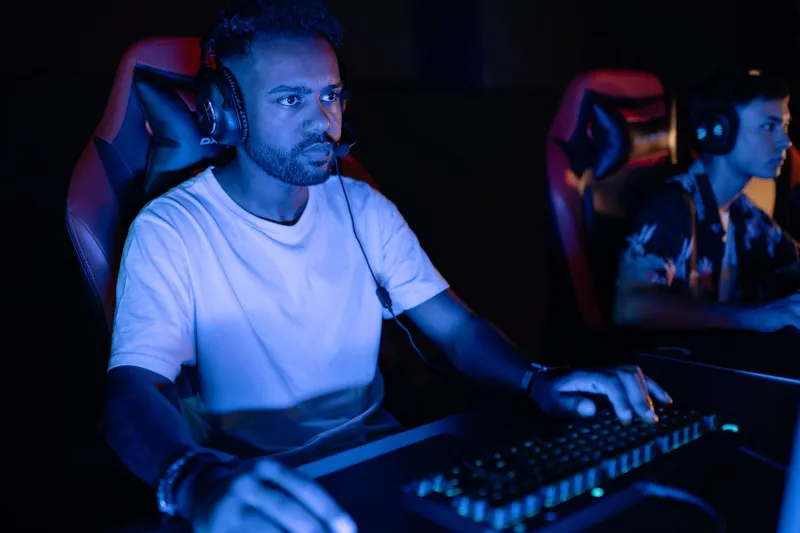
Let's be honest about something most gaming discourse dances around: a lot of us don't have the luxury of three uninterrupted hours anymore. The average RPG player in 2025 is juggling a job, maybe a family, a commute that somehow got longer after the pandemic, and approximately seventeen other obligations competing for attention. Yet there's a certain breed of RPG boss fight — you know the one — that seems designed for someone who lives inside the game and nowhere else.
The good news? A growing number of developers are paying attention, and the solutions they're coming up with are genuinely exciting.
The Old Model Was Built for a Different Era
Back when RPGs were first hitting their stride, the punishing boss encounter made a kind of cultural sense. Games were shorter overall, the audience skewed younger, and free time was a lot more abundant for the core demographic. Dying to the same dragon seventeen times and returning the next day with a fresh strategy felt like part of the deal.
But that demographic has aged. The kid who spent entire summers trying to beat Sephiroth now has a mortgage and maybe a toddler who thinks the controller is a chew toy. The gaming audience didn't shrink — it grew and diversified — but a lot of encounter design philosophy stayed frozen in amber.
The result is a weird tension at the heart of modern RPGs: stories that are more emotionally sophisticated than ever, paired with boss fights that still assume you have infinite time and zero external pressures.
What "Respecting Player Time" Actually Looks Like
Talk to designers who are actively working on this problem and a few key themes keep coming up. The first is granular save flexibility. It sounds almost boring in its simplicity, but allowing players to save mid-encounter — or at minimum, at clearly marked phases within a boss fight — changes the entire psychological experience of a difficult battle.
Games like Hades built their entire identity around this idea, though they approached it through roguelite structure rather than traditional saves. Every run is finite and completable in a real-world session. The boss fight is always reachable; the question is whether you're ready. That design philosophy respects the clock on your wall without ever making the game feel easy.
Other studios are experimenting with phase-based progression banking, where clearing a boss's first or second phase permanently counts as progress, even if you wipe before the finale. You come back, skip what you've already proven you can handle, and pick up the real challenge. It's a small mechanical shift with an enormous quality-of-life payoff.
The Adaptive Difficulty Question
Here's where things get a little more contentious in the design community. Adaptive difficulty — where the game quietly adjusts enemy stats based on how many times you've died — has been around in various forms for years. Some players love it. Others feel like it undermines the integrity of the challenge.
The smarter implementation isn't about lowering the ceiling; it's about widening the on-ramp. Games like Final Fantasy XVI drew some criticism for being too accessible in their base mode, but the underlying idea — letting players tune the experience to their actual available bandwidth — points toward something worth developing further. The trick is making those options feel like genuine choices rather than an implicit judgment about your skill level.
Some indie developers are going even further, building what they call "session-aware" encounters — boss fights that literally read how long you've been playing and adjust pacing accordingly. Spend twenty minutes on a phase and keep dying? The game introduces subtle tells earlier, gives the player more time to react, without ever announcing that it's doing so. The challenge feels fair rather than merciful.
Short Windows, Big Moments
There's also a structural argument being made by a handful of studios that's worth taking seriously: maybe the epic, multi-phase, forty-five-minute boss fight is simply the wrong format for a significant portion of the audience.
That doesn't mean easy. It means dense. A fifteen-minute boss encounter that demands total focus, reads your decisions in real time, and delivers a genuinely climactic payoff can be more satisfying than a marathon slog that you eventually outlast through attrition. Tight design, in other words, rather than long design.
Think about the boss fights that actually live in your memory. Chances are, what made them stick wasn't the length — it was the moment. The pattern click. The desperate last-second dodge. The realization that you finally understood what the fight was actually asking of you. Good encounter design can deliver that in a focused window without demanding a weekend sacrifice.
The Community Is Pushing This Conversation
It's worth noting that a lot of this pressure isn't coming from corporate boardrooms — it's coming from players themselves. Forums, subreddits, and Discord servers are full of people articulating exactly this frustration: "I love this game, I just can't commit to this fight right now." Developers who are listening are finding that accessibility and challenge aren't opposites. They're actually the same goal approached from different directions.
The quest-based structure that defines the best RPGs has always been about meeting players where they are — giving them a challenge scaled to their current abilities, then growing alongside them. Boss encounters that burn players out or block progress for weeks aren't serving the story. They're interrupting it.
What This Means for the Future of RPG Design
The most exciting thing happening in encounter design right now isn't any single mechanic — it's the shift in philosophy. Developers are starting to treat player time as a design constraint worth solving for, the same way they'd solve for performance optimization or narrative pacing.
Checkpoints, phase banking, session-aware scaling, tighter encounter windows — these aren't concessions to a softer audience. They're craft solutions to a real problem. And the studios getting it right are proving that you can build a boss fight that feels genuinely epic, genuinely challenging, and genuinely completable for someone who gets one focused hour on a Tuesday night.
Your quest shouldn't stall because life got loud. The best designers in the industry are making sure it doesn't.