Roll for Good: How Gamers Are Turning Quests Into Real-World Change
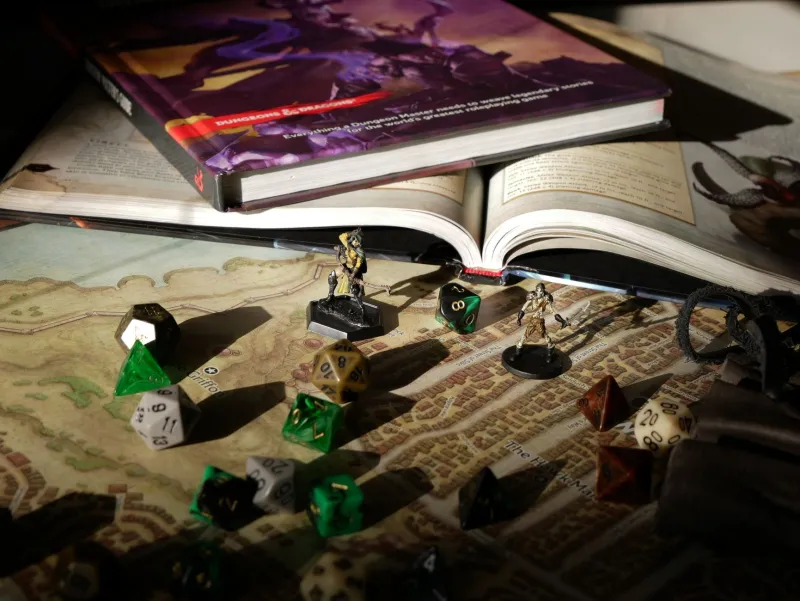
There's something almost poetic about it. A hobby built on the idea of heroes completing missions, gathering allies, and fighting for a better world — and now, increasingly, the people playing those games are doing exactly that in real life.
Across the US, gaming communities are tapping into the same motivational structures that make RPGs and tabletop adventures so compelling, and redirecting that energy toward charitable causes. The results are genuinely impressive — and growing fast.
The Quest Framework That Makes Giving Feel Natural
Anyone who's spent time in an RPG knows the pull of a well-designed quest. There's a clear goal, a sense of progress, meaningful stakes, and a reward waiting at the end. It turns out those same psychological hooks work incredibly well for charity campaigns.
Organizers who build fundraising events around quest-based structures — milestone goals that unlock new content, tiered rewards for donors, narrative framing that makes participants feel like they're on a mission — consistently outperform traditional ask-and-donate setups. The gamification isn't gimmicky. It's tapping into something real about how people get motivated and stay engaged.
"When we framed our fundraiser as a campaign with actual in-game stakes, donations came in faster than anything we'd tried before," says one organizer from a Chicago-based tabletop group that ran a 24-hour D&D marathon for a local food bank last year. "People weren't just donating. They were invested in the outcome."
That investment is the key ingredient.
Tabletop for a Cause: The D&D Charity Marathon Scene
Charity D&D campaigns have quietly become one of the most creative fundraising formats in the gaming world. The structure is flexible enough to fit almost any cause, and the built-in community around tabletop gaming means there's already an audience ready to show up.
Groups like Dungeons & Dragons for Diversity and regional chapters of Extra Life — a well-established gaming marathon charity tied to Children's Miracle Network Hospitals — have been running tabletop events for years. But the format has evolved significantly. Modern charity campaigns often feature celebrity DMs, live-streamed sessions on Twitch and YouTube, and elaborate quest storylines written specifically around the cause being supported.
One particularly clever approach: structuring the entire campaign as a quest where donor milestones change the story. Hit a $500 goal and the party gains a powerful ally. Reach $2,000 and the villain gets a dramatic upgrade, raising the stakes for everyone watching. It turns passive donors into active participants in the narrative.
For groups looking to run their own version, platforms like Tiltify have made the logistics significantly easier — it integrates directly with Twitch and allows for milestone-based incentive tracking in real time.
Speedrunning and Streaming: The Video Game Side of the Movement
On the video game side, the charity streaming scene has matured into something genuinely massive. Games Done Quick — the biannual speedrunning marathon that raises money for Doctors Without Borders and the Prevent Cancer Foundation — has collectively raised over $50 million since it launched. That's not a rounding error. That's a movement.
What makes events like GDQ work so well alongside the RPG community specifically is the overlap in audience. RPG fans love watching skilled players navigate complex systems, and charity streams give that viewership a purpose beyond entertainment. You're not just watching someone speedrun Final Fantasy VI because it's impressive — you're watching because every minute of airtime represents real dollars going somewhere meaningful.
Smaller-scale streaming fundraisers have exploded in the wake of GDQ's success. Individual streamers running 12-hour RPG playthroughs for local shelters, gaming cafés hosting charity tournament nights for mental health nonprofits, Discord communities organizing collective donation drives tied to in-game achievements — the creativity here is genuinely inspiring.
Quest Mechanics in Real-World Volunteer Drives
Beyond fundraising, some gaming communities are using quest-inspired mechanics to organize actual volunteer work — and it's surprisingly effective.
A handful of groups across cities like Austin, Seattle, and Atlanta have experimented with volunteer "quest boards" — physical or digital boards where community service opportunities are posted as quests with clear objectives, time commitments, and rewards (usually in the form of community recognition, Discord roles, or small prizes). Participants "accept" quests, complete them, and report back.
It sounds a little silly until you see the participation numbers. One gaming group in Austin ran a neighborhood cleanup campaign structured entirely as a quest chain and got three times the volunteer turnout they'd seen from previous conventional outreach. The framing matters. People who might scroll past a generic "volunteer this Saturday" post will stop and read a quest description that gives them a role, a mission, and a clear sense of what completing it means.
How to Run Your Own Gaming-for-Good Event in 2025
If this is sparking something for you, here's a practical starting point for organizing your own initiative:
Start with your community, not your cause. The most successful charity gaming events grow organically from existing groups — a regular D&D table, a Discord server, a local game store's player base. Find the community first, then find the cause that resonates with them.
Pick a platform that does the heavy lifting. Tiltify, Streamlabs Charity, and Givebutter all offer tools specifically designed for streaming and gaming fundraisers. Don't try to build custom donation infrastructure from scratch.
Design the quest, not just the ask. Frame your event around a goal structure. What happens when you hit $250? $1,000? $5,000? Make those milestones mean something — an extra game hour, a challenge run, a DM adding a twist to the campaign. Make donors feel like they're shaping the outcome.
Go local when you can. National nonprofits are great, but local food banks, shelters, and community organizations often have a stronger emotional connection for participants — especially in smaller cities and towns. That connection drives more giving.
Document everything. Stream it, post recaps, share the impact numbers. The gaming community responds to proof of impact. Show people what their donations actually did, and they'll show up again next time.
Why This Matters for the RPG Community Specifically
There's a reason this movement has taken root so naturally in RPG and quest-based gaming spaces rather than, say, competitive shooters or sports games. RPG culture is built around narrative, collective effort, and the idea that individual actions contribute to something larger. Those values translate almost directly into charity work.
The players who spend hours deliberating over in-game moral choices, who feel genuine investment in fictional characters' wellbeing, who show up week after week for a tabletop campaign — those are people who understand commitment to a cause. Channeling that energy outward isn't a stretch. It's almost inevitable.
The quest for a better world is, when you think about it, the oldest RPG premise there is. Turns out a lot of gamers are ready to take it off the screen.