Grinding for Real Gold: The Promise and Pitfalls of Play-to-Earn RPGs
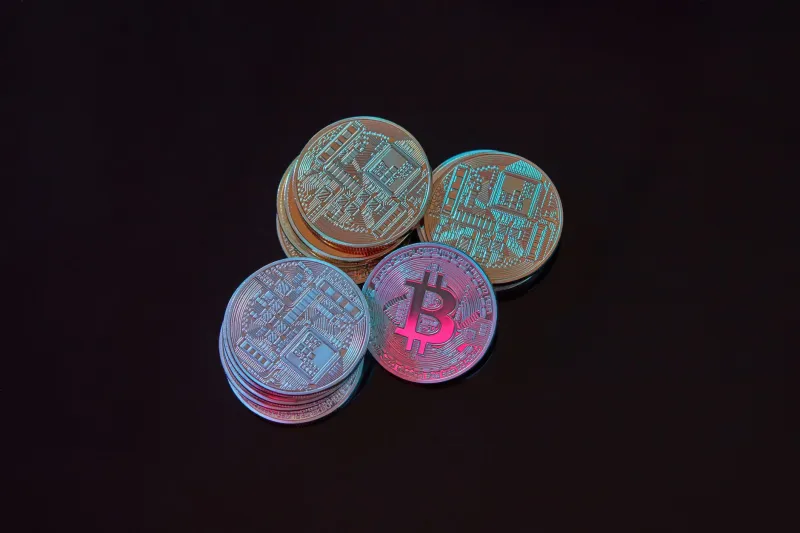
Imagine logging into your favorite RPG on a Saturday morning, running a few dungeon quests, and then — instead of walking away with a shiny new piece of gear — cashing out the equivalent of a grocery run. That's the pitch behind play-to-earn (P2E) gaming, and for a certain slice of the US gaming population, it's gone from a wild idea to a daily routine.
But here's the thing: the line between "earning" and "being exploited" in these games is thinner than a paper character sheet. Let's dig into what's actually happening inside the quest economy.
What Makes Play-to-Earn Different From Regular RPGs
In a traditional RPG — your Baldur's Gate, your Final Fantasy, your weekend tabletop session — the rewards you earn stay inside the game. Gold, XP, legendary loot: it all lives in a closed ecosystem. The value is experiential, not financial.
Play-to-earn flips that model on its head. Built on blockchain infrastructure, these games tie in-game assets — characters, weapons, land, currency — to NFTs or cryptocurrency tokens that exist on an open market. When you complete a quest in a game like Axie Infinity or Gods Unchained, you're not just leveling up your avatar. You're potentially generating assets with real-world dollar value that you can sell, trade, or hold.
That's a genuinely different relationship with a game. Suddenly, your time investment isn't just entertainment — it's labor.
The Players Who Made It Work
During the peak P2E boom of 2021-2022, some players — particularly in Southeast Asia and Latin America — were legitimately supplementing or even replacing their income through games like Axie Infinity. Scholarship programs emerged where asset-rich players would "lend" their NFT characters to others in exchange for a cut of earnings, creating a kind of in-game gig economy.
In the US, a smaller but notable community of early adopters caught on fast. Marcus, a 29-year-old from Phoenix who asked to use only his first name, describes getting into Splinterlands during a slow stretch of freelance work. "At its peak I was pulling maybe $200-$300 a month just from daily ranked matches," he says. "It wasn't life-changing money, but it was real. It made the grind feel different."
That psychological shift — from playing for fun to playing for something — is where things get complicated.
The Design Patterns You Need to Watch Out For
Here's where the quest economy gets murky. A lot of P2E games are built less like games and more like financial instruments dressed up in RPG clothing. Spotting the difference matters.
Upfront buy-in requirements. Many P2E titles require you to purchase NFT assets just to start playing. When Axie Infinity required players to buy three Axies before earning anything, entry costs sometimes ran into hundreds of dollars. That's not a game asking for your time — it's a scheme asking for your money first.
Token inflation death spirals. P2E economies are notoriously fragile. When too many players earn tokens faster than new players enter the ecosystem to buy them, the token value collapses. Multiple high-profile games have watched their in-game currencies crater by 90% or more, leaving late adopters holding worthless assets after months of grinding.
Engagement loops designed to maximize hours, not fun. Traditional RPG designers obsess over player enjoyment. Some P2E designers obsess over keeping you in the game as long as possible because more activity theoretically supports the token economy. The result can be tedious, repetitive quest structures that would get laughed out of any serious game design conversation — but keep you grinding anyway because you feel like you're "working."
Vague roadmaps and missing accountability. Legitimate game studios have track records, teams, and transparency. A surprising number of P2E projects launch with flashy whitepapers and anonymous development teams. When the economy collapses or the developers disappear — a phenomenon the crypto space bluntly calls a "rug pull" — there's often no recourse.
Are Any of These Games Actually Worth Your Time?
Fair question, and the honest answer is: some, maybe, with serious caution.
A handful of P2E titles have demonstrated staying power by prioritizing genuine gameplay alongside their economic mechanics. Gods Unchained operates as a legitimate trading card game that happens to use blockchain for asset ownership. Illuvium has invested heavily in production quality and storytelling. These aren't necessarily your next Elden Ring, but they're trying to be real games first.
The key questions to ask before investing time — or money — in any P2E title:
- Would I play this if it paid nothing? If the answer is hard no, that's a red flag.
- Is there a real cost to start? Free-to-play entry points dramatically lower your financial risk.
- How transparent is the team? Named developers, published audits, and active community communication are good signs.
- What does the token economy actually look like? If earnings depend entirely on new players buying in, you're looking at a structure that resembles a pyramid scheme more than a game.
The Bigger Conversation the Gaming World Is Having
Play-to-earn sits at the center of a genuine philosophical debate about what games are for. The traditional RPG crowd — and honestly, most of PlayQuestMaster's community — tends to believe games are about adventure, story, and the intrinsic joy of the quest. Turning that into a job, even a lucrative one, changes something fundamental about the experience.
There's also a class dimension worth naming. The fantasy of "getting paid to play games" lands very differently depending on your financial situation. For someone with disposable income looking for a fun side experiment, a P2E game might be an interesting hobby. For someone in a tighter spot who sees it as a genuine income opportunity, the risk profile is completely different — and the predatory designs hit harder.
Major traditional studios have largely kept their distance, with players loudly rejecting early attempts to introduce NFT mechanics into established franchises. When Ubisoft floated the idea for Ghost Recon, the backlash was swift and severe. That response says something important about what core gaming audiences actually value.
Quest On — But Quest Smart
The quest economy is real, and it's not going away. Blockchain gaming will keep evolving, and some of what emerges will genuinely be worth your attention. But right now, the space is crowded with projects that are better described as financial traps wearing a quest log than actual games.
If you're curious, start small. Explore free-to-play options. Treat any earnings as a bonus, never a plan. And hold onto the reason you started gaming in the first place — because no token payout is worth grinding through something that stopped being fun three months ago.
Your adventure should feel like an adventure. The moment it starts feeling like a second job you didn't sign up for, it's probably time to log off.